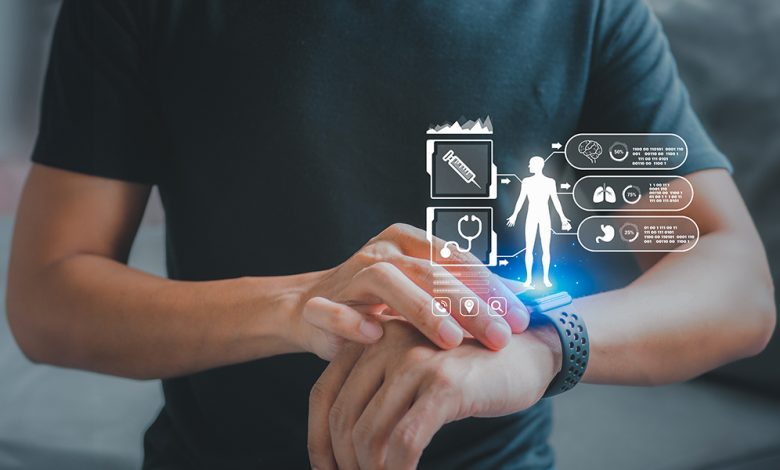
In a world where smartphones have become a constant companion, many people are turning to technology not just for communication and entertainment, but for health improvement and behaviour change. A healthy lifestyle app is at the forefront of this movement, helping users build better habits, track well-being metrics, and stay motivated toward personal goals. Whether someone is focused on nutrition, sleep, physical activity, stress management, or a combination of these, a well-designed app can act as both coach and accountability partner.
At their simplest, lifestyle apps provide tools for self-monitoring. Users can record daily steps, water intake, meals, hours slept, or even moods. This data becomes powerful when it reveals patterns over time: noticing, for example, that sleep quality improves on days with a short walk or that energy dips after certain meals. By presenting this information through clear visuals and trends, apps help users understand their habits rather than guessing what works and what doesn’t.
Beyond basic tracking, many healthy lifestyle apps incorporate guided goals and personalised challenges. Rather than telling someone what to do, these features help users set realistic targets that fit their schedule and preferences. For instance, a beginner might choose a six-week walking plan while someone more advanced selects interval workouts or strength training guides. Progress is typically broken into manageable milestones, making long-term change feel achievable rather than overwhelming. Small wins, when tracked consistently, often lead to bigger lifestyle shifts.
Community support is another valuable element of many apps. Social features encourage connection with friends or like-minded users who share similar goals. Some platforms allow users to compete in step challenges, exchange encouragement, or share progress stories. This sense of community transforms what can be a solitary endeavour into something shared, and the resulting accountability can significantly boost motivation.
Integration with wearable devices and sensors enhances the experience further. Smartwatches and fitness bands automatically feed data into apps, reducing the need for manual input. Heart rate, calories burned, sleep stages, and activity levels become part of a comprehensive picture without additional effort from the user. Over time, this seamless integration offers deeper insight into how daily behaviours impact overall health.
Personalisation plays an increasingly important role in modern healthy lifestyle apps. Algorithms can tailor recommendations based on user preferences, behaviour patterns, and even self-reported challenges. Someone who consistently skips breakfast might receive gentle reminders or quick recipe suggestions, while another user struggling with stress could be guided toward short breathing exercises or mindfulness sessions. This adaptive approach feels more supportive than one-size-fits-all health advice.
Motivation is often cited as one of the hardest parts of maintaining a healthy lifestyle, and many apps address this with built-in reinforcement features. Push notifications, streaks, badges, and progress summaries act as digital nudges that keep users engaged. Rather than guilt or pressure, positive reinforcement encourages consistency and celebrates progress, no matter how incremental.
The benefits of using a healthy lifestyle app extend beyond physical metrics. Awareness of one’s behaviours often fosters a greater sense of agency over personal well-being. Users frequently report improvements in confidence, reduced stress, and a better understanding of how daily choices affect long-term outcomes. When a tool helps someone sleep better, move more, eat thoughtfully, and manage stress effectively, it contributes to both quality of life and long-term health prospects.
While apps are a powerful support tool, they are most effective when used as part of a balanced approach to health. Professional medical advice, personalised nutrition plans, and structured exercise programs still play a critical role for many individuals. A lifestyle app should complement, not replace, the guidance of qualified health professionals when complex health concerns arise.
In essence, healthy lifestyle apps harness everyday technology to make well-being more tangible, trackable, and engaging. They transform abstract goals into actionable steps and support users in building sustainable habits. By blending data, personalisation, social reinforcement, and accessible design, these tools offer a modern path toward lasting, meaningful change.