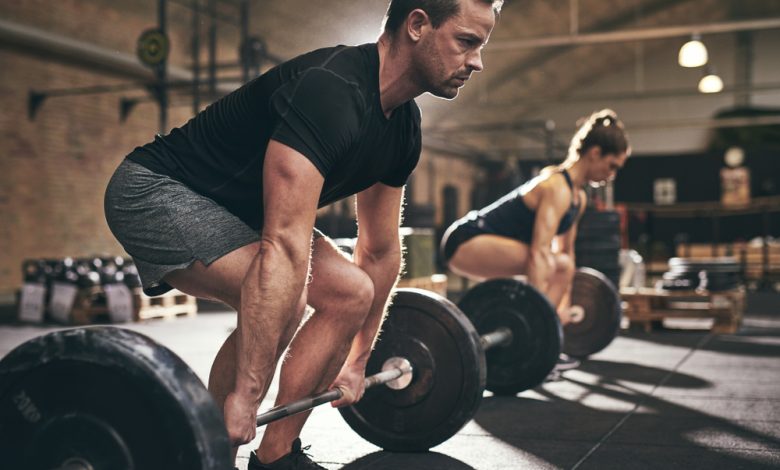
Many gym members measure progress by how much weight they can lift. Increasing resistance can be important, but it should never come at the cost of proper technique. When form breaks down, the exercise may stop training the intended muscles and start placing stress on joints, tendons or the lower back. This can slow progress and increase injury risk.
Working with a personal gym trainer singapore can help clients understand that better technique is not a small detail. It is the foundation of safe and effective training. Lifting heavier only matters when the body is moving well enough to handle the load.
Heavier weights do not always mean better training
Adding weight can make an exercise harder, but harder is not always better. If the movement becomes unstable, rushed or poorly controlled, the body may compensate. This means other muscles or joints take over instead of the target area.
For example, during a shoulder press, poor posture may shift stress into the lower back. During a squat, weak control may cause the knees to move poorly. During a row, the person may use momentum instead of back strength.
In each case, the person may be lifting more weight but getting less benefit from the exercise.
Technique improves muscle activation
Correct technique helps the right muscles do the work. This is important for both strength and body composition goals. If someone wants to build the legs, but their squat pattern places most stress on the lower back, progress will be limited.
A trainer can help clients feel where the movement should work. They may adjust stance, grip, tempo, range of motion or breathing. These changes improve muscle activation and exercise control.
Better activation often makes lighter weights feel more challenging because the intended muscles are finally working properly.
Poor form can become a habit
Repeated poor form can become automatic. The more someone practises an incorrect movement, the harder it may become to correct later. This is why early technique correction matters.
Many people learn exercises from videos or by watching others in the gym. While this can provide ideas, it does not guarantee correct execution for their body. Everyone has different mobility, limb length, strength and control.
A personal trainer can identify individual movement issues and correct them before they become long term habits.
Tempo matters as much as weight
Many gym members rush through repetitions. They lift quickly, drop the weight and move to the next repetition without control. This reduces exercise quality.
Tempo refers to the speed of movement. A controlled tempo increases time under tension and improves awareness. Slower lowering phases, proper pauses and stable lifting can make exercises more effective.
Technique correction often includes tempo coaching. A trainer may ask the client to slow down, pause at certain points or avoid using momentum. This can improve both strength and safety.
Breathing affects performance and control
Breathing is often ignored during training. Some people hold their breath unnecessarily, while others breathe without rhythm. Proper breathing can improve stability, focus and exercise execution.
During strength training, breathing should support the movement. A trainer can teach when to inhale, when to exhale and how to brace the core during demanding lifts.
Better breathing can make the body feel more stable. It also helps clients stay calm during challenging exercises.
Technique correction supports injury prevention
Many injuries occur not because exercise is dangerous, but because movement quality is poor or progression is rushed. Technique correction helps reduce unnecessary strain.
A trainer can spot warning signs such as knee collapse, rounded back, shoulder compensation or uneven movement. These issues may not be obvious to the client, especially during effort.
Training in a professional environment such as True Fitness Singapore gives clients access to equipment and spaces where technique focused progress can be developed with guidance.
Proper form builds confidence
People often feel nervous around weights because they fear doing something wrong. Technique correction helps build confidence. When a client understands how to move correctly, the gym feels less intimidating.
Confidence also improves when the client notices better performance. Exercises feel smoother. Movements become more controlled. Progress feels earned rather than forced.
This confidence is important for long term consistency. People are more likely to continue training when they feel capable and safe.
Strength still matters, but timing matters more
This does not mean lifting heavier is unimportant. Progressive resistance is necessary for strength development. However, load should increase only when technique is stable.
A good trainer knows when a client is ready to progress. They may first improve range of motion, then increase repetitions, then add weight. This creates a safer and more effective path.
The right sequence is technique first, then load. Skipping this order can create problems later.
The best training is controlled and purposeful
A well performed exercise should feel controlled. The client should understand the goal of the movement and maintain proper form through the set. This does not mean every repetition must look perfect, but the overall quality should remain strong.
Purposeful training produces better long term results because it reduces wasted effort. Each exercise contributes to the goal instead of becoming random exertion.
When technique improves, training becomes more intelligent.
FAQ
I can lift heavier weights, but my trainer keeps reducing the load. Why?
Your trainer may be prioritising form. If heavier weight causes compensation or poor control, reducing the load can help you train the right muscles more effectively.
I feel embarrassed when my form is corrected in the gym. Is that normal?
Yes, many clients feel that at first. But correction is part of learning. It means your trainer is helping you move better and avoid repeating mistakes.
I feel exercises more after slowing them down. Does that mean I was doing them wrong before?
Not always, but it may mean you were using momentum. Controlled tempo increases muscle engagement and can make the exercise more effective.
Can poor form cause pain even with light weights?
Yes. Light weights can still cause discomfort if repeated with poor alignment or control. Good technique matters at every level.
Conclusion
Technique correction matters more than lifting heavier weights because movement quality determines how effective and safe training becomes. Heavy lifting without control may create short term ego satisfaction, but it rarely supports long term progress.
For people training in Singapore, working with a personal trainer can help build a stronger foundation. When technique improves first, heavier weights become more useful, safer and more rewarding.