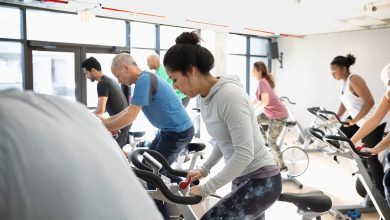
Singapore’s warm and humid climate presents both benefits and challenges when it comes to fitness. While outdoor exercise has its appeal, the reality of high humidity, unpredictable rain, and intense UV exposure often make consistent workouts difficult. This is why the modern gym Singapore environment has become the preferred choice for many residents seeking comfort, safety, and reliable results. Indoor gyms are designed not just for convenience but for performance enhancement in a country where climate control directly affects physical endurance and motivation.
Understanding How Singapore’s Weather Affects Physical Performance
The tropical climate in Singapore averages around 30°C with humidity levels often exceeding 80%. For outdoor workouts, this combination can lead to rapid fatigue, dehydration, and heat-related stress. Elevated humidity prevents sweat from evaporating efficiently, which reduces the body’s ability to cool itself.
As a result, many athletes and fitness enthusiasts experience slower recovery, increased heart rates, and lower endurance when exercising outdoors. The indoor gym setting eliminates these concerns, allowing consistent performance regardless of the weather.
Benefits of Exercising Indoors in Singapore
Indoor gyms provide several advantages that directly counter the challenges of Singapore’s climate. These benefits are not limited to comfort but extend to performance and health outcomes.
Key advantages include:
-
Temperature Control: Air-conditioning keeps body temperature stable, reducing exhaustion and heat stress.
-
Hydration Efficiency: Cooler conditions mean less fluid loss through sweating, improving endurance.
-
Consistency: Rain or haze does not interrupt training schedules.
-
Reduced Risk of Heat Illness: Controlled environments prevent overheating and muscle cramps.
-
Hygienic Spaces: Regular maintenance ensures cleaner, safer conditions than outdoor public areas.
These features make indoor gyms the ideal solution for sustainable year-round fitness routines.
The Role of Air Quality in Indoor Training
Air quality plays a significant role in athletic performance. During certain months, Singapore experiences haze from regional fires, reducing outdoor air safety. Poor air quality can impair lung function and cause fatigue even in moderate workouts.
Modern gyms maintain air filtration systems that provide a cleaner breathing environment. The consistent air flow and circulation help users recover faster and reduce respiratory strain, making indoor workouts safer during poor weather periods.
Climate-Controlled Recovery and Performance
Controlled temperature and humidity do more than make workouts comfortable; they enhance recovery and performance outcomes. When the body trains in optimal conditions, it maintains better oxygen delivery to muscles, improving endurance and energy efficiency.
Gym facilities also often include recovery-focused amenities such as:
-
Stretching zones with climate-regulated flooring.
-
Cooling stations for post-workout relaxation.
-
Infrared saunas or steam rooms that aid detoxification.
These tools help Singaporean gym members sustain high-intensity training without overexertion.
How Indoor Training Prevents Injury in Humid Conditions
Outdoor workouts in hot and moist conditions increase the likelihood of muscle strain, dehydration, and dizziness. High humidity reduces grip strength and can make surfaces slippery, raising the risk of accidents.
Indoor gyms remove these environmental hazards. Stable flooring, safe equipment, and trained supervision ensure proper form and technique, reducing injury risks. Moreover, personal trainers monitor members’ hydration and fatigue levels closely, something that’s difficult to achieve in open spaces.
Energy-Efficient Gym Designs in Singapore
Sustainability is an important focus across industries in Singapore, and gyms are no exception. Many fitness centres now adopt energy-efficient systems to balance performance with environmental responsibility.
Examples include:
-
Smart thermostats that regulate cooling based on occupancy.
-
LED lighting and energy-saving equipment.
-
Water-efficient shower systems.
-
Recycling programmes for gym towels and bottles.
These features contribute to eco-friendly fitness while maintaining high-quality experiences for members.
The Importance of Consistency for Long-Term Results
Singaporeans value efficiency and routine, especially in their busy urban lifestyles. One of the key advantages of indoor gyms is consistency. Unlike outdoor activities that depend on favourable weather, indoor training allows members to follow structured plans without interruption.
Consistency improves:
-
Habit formation and long-term commitment.
-
Strength and cardiovascular gains through progressive overload.
-
Psychological stability and motivation.
Reliable access to training conditions makes it easier to stay accountable and achieve visible progress over time.
How Indoor Gyms Support Diverse Fitness Goals
A major strength of modern gyms lies in their versatility. Whether the goal is muscle building, rehabilitation, or stress relief, indoor facilities provide the environment and equipment needed for all fitness levels.
Members can combine various training types such as:
-
Resistance training using machines and free weights.
-
Functional workouts that mimic natural movements.
-
Group sessions like yoga, spin, or HIIT under controlled conditions.
This flexibility allows individuals to personalise their routines while still benefiting from climate-friendly comfort.
Social Interaction and Motivation in Indoor Spaces
For many, the gym serves as more than a place to exercise. It’s a social environment where motivation thrives through shared energy and support. Indoor fitness settings foster this community aspect better than solitary outdoor workouts.
Group classes and shared spaces create accountability. When surrounded by others with similar goals, individuals are more likely to maintain discipline and push themselves further.
Why True Fitness Singapore Is Ideal for Climate-Controlled Training
True Fitness Singapore offers a comprehensive indoor environment designed to support all fitness goals regardless of external weather. With advanced air conditioning, professional-grade equipment, and certified trainers, it ensures that every session remains productive and safe. Members can focus on progress without distractions from heat, humidity, or rain.
Singapore’s Evolving Fitness Landscape
The rise of indoor fitness culture reflects the city’s adaptation to its tropical environment. People no longer view air-conditioned workouts as a luxury but as a necessity for maintaining physical and mental well-being.
By prioritising controlled conditions, gyms enable everyone—from beginners to seasoned athletes—to perform at their best. This approach aligns perfectly with Singapore’s values of efficiency, health, and continuous improvement.
FAQs
Q1: Why is it harder to exercise outdoors in Singapore?
A: The high humidity and temperature make it difficult for the body to cool down efficiently, causing faster fatigue and dehydration.
Q2: Can outdoor workouts still be effective?
A: Yes, but they should be scheduled during early mornings or evenings when temperatures are lower. Proper hydration and rest are essential.
Q3: How do indoor gyms help prevent dehydration?
A: Air-conditioned environments reduce excessive sweating, allowing better hydration balance throughout workouts.
Q4: Are indoor gyms energy-efficient in Singapore?
A: Many gyms now implement energy-saving systems, including motion-sensor lighting and eco-friendly air-conditioning units.
Q5: How do gyms maintain air quality during haze periods?
A: Advanced air filtration systems and controlled ventilation ensure cleaner air inside the gym, protecting members’ respiratory health.
Q6: What is the ideal gym attire for Singapore’s humid weather?
A: Lightweight, breathable fabrics that wick away sweat and allow airflow are best for comfort and performance.
Q7: Why is consistency easier to maintain in an indoor gym?
A: Indoor gyms provide stable conditions year-round, eliminating disruptions from rain, heat, or haze, allowing members to stick to their routines.