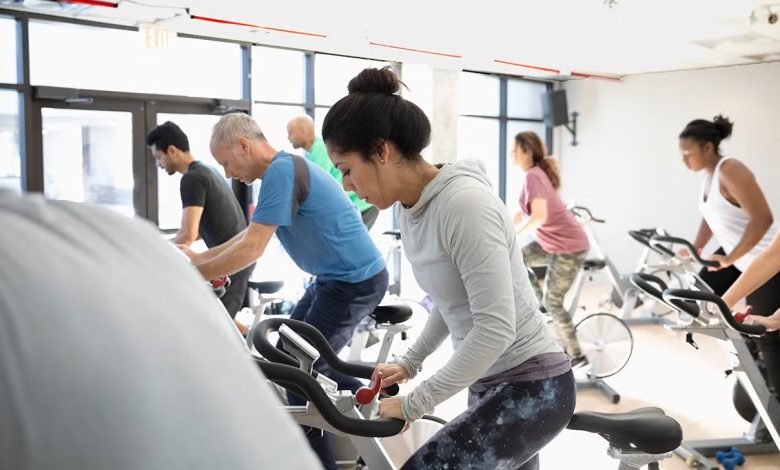
Joint health becomes a real priority once people move beyond their twenties. For adults in Singapore aged 30 and above, knee stiffness, hip tightness, and ankle discomfort often appear quietly, especially for those with desk-based jobs or a history of high-impact exercise. Choosing the right workout is no longer just about calories burned. It is about protecting joints while still training the cardiovascular system effectively. This is where an indoor spin class offers a powerful and sustainable solution.
Indoor cycling allows the body to work hard without exposing joints to repetitive impact. Unlike running or jumping-based workouts, spin training keeps movement smooth, controlled, and guided. Over time, this plays a critical role in preserving knee cartilage, supporting joint alignment, and maintaining mobility.
Why Joint Health Declines Faster After 30
Joint wear does not happen overnight. It develops gradually due to repetitive stress, poor movement mechanics, muscle imbalances, and reduced circulation to connective tissues.
Common contributors include:
-
Long hours of sitting with limited hip movement
-
Reduced muscle support around the knees and ankles
-
Previous sports injuries that were never fully rehabilitated
-
High-impact workouts performed without adequate recovery
-
Loss of joint lubrication due to inactivity
Once cartilage and supporting tissues are irritated, recovery becomes slower. Exercise choices must therefore support joints instead of breaking them down further.
The Biomechanics of Indoor Cycling and Joint Safety
Indoor cycling places the body in a fixed, guided movement pattern. The pedal stroke follows a circular motion that distributes force evenly across muscles and joints.
Key biomechanical advantages include:
-
No ground impact on knees or ankles
-
Even load distribution between quadriceps, hamstrings, and glutes
-
Controlled resistance instead of sudden force spikes
-
Stable hip positioning when the bike is properly adjusted
Because movement is predictable, joints are not exposed to unexpected stress. This makes spin classes suitable even for individuals managing mild joint sensitivity.
Knee Health and Cartilage Preservation
The knee joint depends heavily on surrounding muscles for protection. Weak quadriceps, hamstrings, or glutes place excess strain on knee cartilage and ligaments.
Indoor spin classes help by:
-
Strengthening the quadriceps through controlled resistance
-
Activating hamstrings during the upward pedal phase
-
Engaging glute muscles to stabilise hip and knee alignment
-
Improving circulation to nourish joint tissues
Regular cycling encourages synovial fluid movement within the knee, which helps lubricate cartilage and reduce stiffness.
Why Cycling Is Often Recommended in Rehab
Physiotherapists frequently recommend cycling during knee rehabilitation phases. This is because it allows joint movement without compression forces caused by impact.
Benefits include:
-
Maintained range of motion without pain
-
Gradual muscle strengthening around the joint
-
Reduced inflammation due to consistent blood flow
-
Improved confidence in movement after injury
An indoor spin class takes these principles and scales them into a structured, progressive workout environment.
Hip Mobility and Joint Alignment Benefits
Many knee issues actually begin at the hips. Tight hip flexors and weak glutes cause poor knee tracking during walking, climbing stairs, and exercise.
Spin training supports hip health by:
-
Encouraging hip extension during powerful pedal strokes
-
Strengthening glute muscles through resistance work
-
Improving pelvic stability during seated and standing phases
-
Reducing lower back strain caused by poor hip mechanics
Over time, better hip mobility translates into reduced knee stress in daily life.
Ankle Stability and Lower Limb Coordination
Ankles play a crucial role in balance and force transfer. Weak or unstable ankles often lead to compensation patterns that affect knees and hips.
Indoor cycling improves ankle health through:
-
Repetitive controlled flexion and extension
-
Strengthening of stabilising muscles around the joint
-
Improved proprioception through consistent pedalling rhythm
-
Reduced risk of sprains compared to uneven outdoor terrain
Cycling strengthens the entire kinetic chain from foot to hip.
Comparing Indoor Spin to High-Impact Cardio
Many adults continue running or jumping workouts despite joint discomfort because they associate cardio with impact. However, cardiovascular fitness does not require joint stress.
Indoor spin classes provide:
-
High heart rate training without joint compression
-
Adjustable resistance to control load
-
Ability to scale intensity based on joint condition
-
Consistent training even during minor joint flare-ups
This allows long-term fitness without the cycle of injury and recovery.
The Importance of Bike Setup for Joint Protection
Proper bike setup is essential for joint safety. Incorrect saddle height or handlebar positioning can strain knees and hips.
Key setup principles include:
-
Saddle height that allows slight knee bend at full extension
-
Saddle position that keeps knees aligned over pedals
-
Handlebar height that supports neutral spine posture
-
Resistance levels that avoid knee locking or bouncing
In guided environments, instructors help participants adjust bikes correctly, reducing injury risk.
Progressive Resistance and Joint Strengthening
Joint health depends on gradual adaptation. Sudden increases in load often lead to irritation.
Indoor spin classes use progressive resistance to:
-
Strengthen muscles that stabilise joints
-
Allow connective tissue to adapt safely
-
Improve endurance without sudden stress
-
Build confidence in joint capability
This progressive approach supports longevity rather than short-term performance.
Weight Management and Reduced Joint Load
Excess body weight significantly increases stress on knee joints, especially during walking and climbing stairs. Every kilogram of body weight adds multiple kilograms of force across the knee.
Indoor cycling supports weight management by:
-
Burning calories efficiently
-
Improving metabolic rate
-
Supporting fat loss without joint damage
-
Encouraging consistent participation due to low injury risk
Reduced body weight directly reduces joint strain in everyday movement.
Supporting Active Lifestyles Beyond the Gym
Joint health is not only about workouts. It affects daily activities like carrying groceries, travelling, and playing with children.
Regular spin training contributes to:
-
Easier stair climbing
-
Reduced morning stiffness
-
Improved walking endurance
-
Greater confidence in movement
These benefits extend far beyond the studio.
Structured Training in a Supportive Environment
A well-designed indoor cycling programme ensures that participants progress safely. Structured classes with trained instructors reduce the likelihood of poor movement habits.
Many members prefer training at TFX Fitness because the focus on technique, equipment quality, and class structure supports long-term joint care while still delivering challenging workouts.
Realistic Training Frequency for Joint Longevity
Joint-friendly training is about consistency, not excess.
Recommended approach:
-
2 to 3 spin sessions per week
-
Alternating moderate and higher resistance days
-
Adequate hydration to support joint lubrication
-
Complementary mobility or stretching sessions
This balanced routine helps joints adapt and recover properly.
FAQ
Q: Can indoor spin class help people with early knee arthritis?
A: Yes, many people with early-stage arthritis benefit from cycling due to its low-impact nature, provided resistance is managed and bike setup is correct.
Q: Is standing cycling bad for knees?
A: Not when done correctly. Standing positions should use controlled resistance and proper alignment. Excessive speed without resistance can strain knees.
Q: How soon can joint stiffness improve with spin classes?
A: Many people notice reduced stiffness within two to three weeks due to improved circulation and joint lubrication.
Q: Should I avoid spin classes if I have a previous knee injury?
A: Not necessarily. It is best to inform the instructor and start with lower resistance. Cycling is often recommended during rehabilitation.
Q: Can indoor cycling replace running for cardio fitness?
A: Yes. Spin training can match or exceed cardiovascular demands of running while placing far less stress on joints.