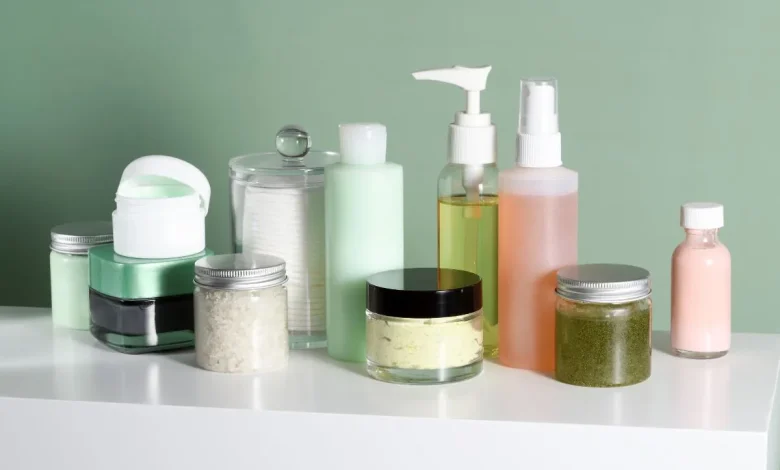
The beauty industry is saturated with thousands of products, ranging from drugstore staples that cost less than a cup of coffee to luxury serums that command prices equivalent to a mortgage payment. For many consumers, the dilemma of where to allocate their skincare budget is a constant source of confusion. Marketing campaigns often suggest that a higher price tag equates to superior results, but the reality of skincare formulation is far more nuanced. Understanding the difference between base ingredients, delivery systems, and brand value is the key to building a high-performance routine without overspending. By learning when to invest in premium technology and when to stick to affordable basics, you can optimize your skin health and your bank account simultaneously.
The Reality of Formulation and Ingredients
To understand the price gap between products, one must first look at the ingredient deck. In the world of chemistry, certain ingredients are expensive to source, stabilize, or manufacture. For instance, sophisticated retinoids, patented peptides, and high-potency antioxidants often require complex manufacturing processes and rigorous testing to ensure they remain effective within a bottle. When you pay for a luxury product, you are often paying for the research and development that went into perfecting that specific delivery system.
However, many fundamental components of skincare—such as simple cleansers, basic moisturizers, and sunscreens—do not require exotic ingredients to be effective. A basic moisturizer typically consists of humectants to attract water, emollients to soften the skin, and occlusives to lock moisture in. These ingredients are widely available and relatively inexpensive to produce. In these categories, the performance gap between a twenty-dollar drugstore moisturizer and a two-hundred-dollar luxury cream is often negligible, as both rely on the same fundamental building blocks to achieve hydration.
When to Save: The Foundations of Your Routine
You can save a significant amount of money by prioritizing affordable, functional products for the parts of your routine that have a simple, singular goal. The goal of a cleanser, for example, is to remove dirt, oil, and debris without disrupting the skin barrier. Because the product is rinsed off the face within seconds, there is very little benefit to paying for expensive active ingredients that do not have enough contact time to penetrate the skin.
Basic Cleansers
Look for cleansers that are pH-balanced, fragrance-free, and gentle. Drugstore brands have perfected these formulations to include ceramides and hyaluronic acid without the premium price. These cleansers perform the exact same mechanical task as luxury versions, providing a clean canvas for your other products without the added cost of luxury branding.
Daily Moisturizers
While luxury creams often feature elegant textures and sophisticated fragrances, the primary job of a moisturizer is to maintain the lipid barrier. Look for products that highlight simple, effective ingredients like glycerin, petrolatum, shea butter, or ceramides. Many affordable brands offer these in bulk, providing high-quality barrier support that lasts for months.
Physical and Chemical Exfoliants
Simple exfoliants, such as those containing glycolic or salicylic acid, are often highly effective at drugstore price points. The efficacy of an acid peel or daily toner is determined by the concentration and the pH of the solution, not by the elegance of the bottle or the fame of the brand.
When to Splurge: Investing in Innovation and Complexity
The decision to splurge should be reserved for products where innovation, stability, and delivery technology make a genuine difference in the outcome. When you are looking to address complex concerns like deep wrinkles, hyperpigmentation, or skin sensitivity, the specific formulation matters immensely.
Concentrated Serums and Actives
Serums are designed to deliver potent ingredients deep into the skin. High-end brands often invest in encapsulated technology, which allows delicate ingredients like Vitamin C or retinol to stay stable until they reach the skin. An inexpensive Vitamin C serum, for instance, might oxidize and lose its potency within weeks, whereas a luxury version may utilize advanced stabilization technology that keeps the active ingredient effective until the very last drop.
Proprietary Technology and Research
Luxury brands frequently hold patents for unique molecules or peptide complexes that have been clinically tested for long-term anti-aging results. If a product contains a specific, high-tech complex that you cannot find in any other formulation, that is a legitimate reason to spend more. You are not just paying for the ingredient; you are paying for the years of clinical trials and the specific delivery system that makes the ingredient usable for your skin.
Sensory Experience and Elegance
While it is not strictly a medical requirement, the sensory experience of skincare matters. If a high-end serum has a beautiful texture, a pleasant scent, or an elegant finish that encourages you to be consistent with your routine, it has value. Consistency is the most important factor in long-term skin health. If an affordable product feels tacky or smells unpleasant, you may skip using it. In this case, splurging on a product you enjoy using is a valid investment in your long-term consistency.
How to Audit Your Skincare Spending
You can easily reorganize your spending by conducting a simple audit of your current routine. Start by looking at the label of every product you own.
-
Identify the function: Is the product meant to clean, hydrate, or actively treat?
-
Evaluate the contact time: If you rinse it off, prioritize affordable options.
-
Analyze the ingredient quality: If the product relies on complex actives, look for brands that provide clinical data to support their claims.
-
Consider the frequency: Items you go through quickly, such as cleansers or body lotions, are the best candidates for budget-friendly alternatives.
Do not be swayed by pretty packaging or celebrity endorsements. A product’s price tag is often inflated by marketing budgets, beautiful retail displays, and high-end distribution costs rather than the cost of the ingredients inside. By focusing on the formulation and the science behind the product, you can cultivate a routine that is both high-performing and financially sustainable.
Frequently Asked Questions
Does an expensive sunscreen provide better protection than a drugstore one?
Not necessarily. The efficacy of a sunscreen is determined by its SPF rating and broad-spectrum coverage, which are regulated standards. Both affordable and luxury sunscreens must pass the same tests to be marketed as SPF products. The difference usually lies in the cosmetic elegance, such as whether it leaves a white cast or feels greasy, rather than the level of sun protection provided.
Are natural or organic ingredients worth the higher price point?
The term natural does not automatically mean safer or more effective. Many natural ingredients are unstable, prone to contamination, or highly irritating to the skin. In skincare, science-backed synthetic ingredients are often safer and more reliable than natural alternatives. Pay for results and stability rather than the marketing appeal of organic labels.
Can I mix affordable and luxury products in the same routine?
Absolutely. In fact, a hybrid routine is often the most intelligent approach. Many dermatologists recommend using a basic, affordable cleanser and moisturizer, then allocating your budget toward a high-quality, scientifically advanced serum that targets your specific skin goals.
Is there a difference between department store brands and medical-grade skincare?
Medical-grade skincare is often formulated with higher concentrations of active ingredients and is sold through clinics, but the distinction is not strictly regulated. While these products can be excellent, they should be used under professional guidance because their potency can increase the risk of irritation or adverse reactions if used improperly.
How do I know if I am paying for marketing rather than ingredients?
If a product has a very high price but the ingredient list is generic or lacks specific percentages of key actives, you are likely paying for the brand name. True innovation usually comes with transparent documentation of clinical results and clear, identifiable active ingredients.
Should I prioritize a luxury serum or a luxury moisturizer?
If you must choose, prioritize the serum. Serums are designed to contain the high-impact actives that change the skin, such as peptides or retinoids. Moisturizers serve a more passive, protective function. It is much easier to find an affordable, effective moisturizer than it is to find an affordable serum that utilizes advanced stabilization technology.
Does the glass packaging of luxury skincare justify the price increase?
While glass packaging is often preferred for its environmental impact and luxury feel, it does not improve the performance of the product. In some cases, airless pump packaging found in more affordable products is actually better for product stability, as it prevents air and light from degrading the active ingredients inside.