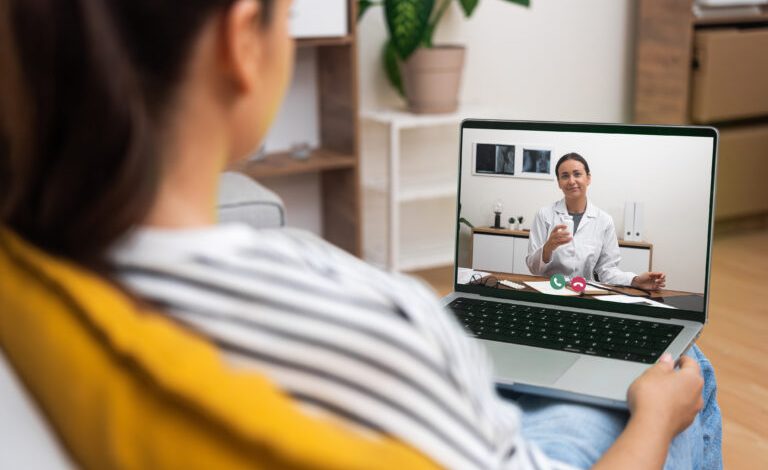
The landscape of mental healthcare has undergone a profound transformation over the past several years. Where traditional, in-person therapy was once the only standard for psychological support, the rapid adoption of digital platforms has brought high-quality care directly into the homes of millions. This shift has not only increased accessibility but has also created a new dilemma for those seeking help: choosing between the intimacy and structure of a physical office and the convenience and flexibility of an online session. Both modalities are designed to foster healing, but the experience of each is distinct, and determining the right fit depends largely on your individual needs, lifestyle, and comfort levels.
The Case for In-Person Therapy
In-person therapy remains the gold standard for many, particularly for those who view the therapy room as a sanctuary. The physical environment of a therapist office is carefully curated to be neutral, safe, and free from the distractions of the outside world. This separation between the therapeutic space and the home environment can be therapeutic in itself, providing a definitive boundary that allows a patient to switch modes and focus entirely on their inner work.
The Power of Non-Verbal Cues
One of the most significant advantages of face-to-face interaction is the ability to read non-verbal communication. A therapist can observe a client body language, micro-expressions, posture, and even involuntary movements that often convey more than words ever could. In a physical space, the therapist is better positioned to identify when a patient is shutting down, experiencing discomfort, or holding back emotion, which allows for more immediate and precise interventions. For patients dealing with complex trauma or personality disorders, these nuances are often vital to the therapeutic process.
Establishing a Therapeutic Alliance
The therapeutic alliance—the relationship between the patient and the clinician—is the most reliable predictor of success in any form of psychotherapy. For many people, this bond is forged more naturally when they are in the same physical room as their therapist. The subtle social cues, the shared energy, and the feeling of being truly seen without the mediation of a screen can accelerate the development of trust. For individuals who have experienced isolation, the act of physically showing up to a session can represent an important step toward reintegration and social engagement.
The Advantages of Online Therapy
Online therapy, often referred to as teletherapy, has democratized mental healthcare. It removes the geographical and logistical barriers that have historically prevented people from seeking help. Whether you live in a rural area, travel frequently for work, or simply have a schedule that does not permit a commute, digital platforms offer a level of flexibility that was previously unimaginable.
Accessibility and Reduced Barriers
For those with limited mobility, social anxiety, or demanding caregiving responsibilities, leaving the house for a weekly appointment can be a massive hurdle. Online therapy eliminates the need to travel, wait in a lobby, or navigate complex public transit. This reduction in friction often leads to higher consistency in attendance. When the barrier to entry is lower, clients are more likely to show up for their sessions even when they feel particularly drained or overwhelmed.
Comfort in Your Own Space
There is something inherently calming about participating in a session from a place where you feel secure. For many, the ability to attend a session while wearing comfortable clothes, sipping a cup of tea, or even sitting with a pet nearby can reduce the initial anxiety associated with discussing painful topics. This environment can make it easier to open up about vulnerable subjects, as the client is not in a clinical, unfamiliar setting but rather in a space of their own choosing.
Key Considerations for Making Your Choice
When evaluating which modality is right for you, it is important to reflect on your specific goals and your personal history. Therapy is a deeply personal endeavor, and what works for one person may feel completely inadequate for another.
-
Severity of Symptoms: If you are dealing with acute mental health crises, severe trauma, or conditions that require high levels of oversight, the presence and immediate support of in-person care may be more appropriate.
-
Technological Literacy and Access: Online therapy requires a reliable internet connection and a private space where you can speak without being overheard. If your home environment is noisy, crowded, or lacks privacy, an in-person office is the better choice for ensuring confidentiality.
-
Personal Connection Style: Reflect on how you communicate best. If you find that digital screens create a sense of distance or emotional detachment, you will likely find more benefit in the physical presence of a therapist.
-
Convenience vs. Dedication: If you find yourself consistently skipping sessions due to scheduling conflicts, the flexibility of online therapy might be exactly what you need to sustain your commitment.
The Hybrid Approach
It is worth noting that you do not necessarily have to choose one for life. Many therapists and practices now offer hybrid models. You might start with in-person sessions to establish a strong rapport and later transition to online sessions during weeks when your schedule is packed or when travel makes it impossible to visit the office. This fluidity can actually enhance the therapeutic process, as it teaches clients how to apply the skills they learn in therapy to their real-world environment. Ultimately, the quality of the therapist remains more important than the medium through which the session takes place. A skilled, empathetic, and qualified clinician can be highly effective in either format.
Frequently Asked Questions
Can online therapy be as effective as in-person for severe conditions like depression?
Yes, various studies have indicated that teletherapy can be just as effective as in-person treatment for many conditions, including major depressive disorder and generalized anxiety. However, for those with severe symptoms that involve a risk of self-harm or require intense stabilization, in-person care is generally considered the safest and most effective standard of practice.
How can I ensure my privacy during an online therapy session?
Reputable online therapy platforms use encrypted, HIPAA-compliant software to conduct sessions, ensuring that your data remains private. At home, you can enhance your privacy by using noise-canceling headphones, conducting sessions in a locked room, or using white noise machines if you live with others who might overhear your conversation.
Are there any specific types of therapy that work better online?
Cognitive Behavioral Therapy (CBT) and other talk-based modalities translate very well to digital formats because they are structured and highly verbal. Somatic therapies or those that rely heavily on physical observation and sensory feedback may be more challenging to conduct remotely, though many clinicians have found ways to adapt these techniques effectively over video.
Does insurance cover online therapy the same way it covers in-person visits?
In many regions, insurance companies are now mandated to provide equal coverage for telehealth and in-person mental health services. However, it is essential to verify this with your specific insurance provider, as coverage policies can vary based on your plan, the type of provider, and your state or country of residence.
Is it harder to build a bond with a therapist through a screen?
For some people, there is an initial learning curve in feeling connected through a screen. However, most people find that the quality of the connection is driven more by the therapist personality, empathy, and listening skills than by the medium. Over a few sessions, the novelty of the screen tends to fade, and the therapeutic relationship takes center stage.
What should I do if I experience technical issues during an online session?
Most clinicians have a contingency plan in place, such as switching to a phone call if the internet connection becomes unstable. Before you start your first session, clarify with your therapist what the protocol is for technical failures so that you do not feel panicked if your video feed freezes or drops out unexpectedly.
Are there any drawbacks to the convenience of online therapy?
The primary drawback is the loss of the physical boundary between your personal sanctuary and your therapeutic space. For some, if they attend therapy in the same chair where they work or experience stress, it can be difficult to shift their mindset into a therapeutic frame. It is often helpful to have a dedicated ritual or space for your online sessions to help your brain signal that it is time for reflection.