Hearing aid technology has advanced rapidly in recent years, moving far beyond simple sound amplification into a space shaped by intelligent processing, connectivity, and personalised user experience. In 2026, the best hearing aid options are defined not just by how loud they can make sounds, but by how accurately they interpret, filter, and enhance the world around the user. Understanding what is new—and what actually makes a difference—can help in deciding which features are genuinely worth considering.
One of the most significant developments is the integration of artificial intelligence into hearing aids. Modern devices are now capable of learning from the user’s environment and adjusting settings automatically. Instead of manually switching between modes for quiet rooms, busy streets, or social gatherings, AI-driven systems analyse sound patterns in real time and adapt accordingly. This results in a more seamless listening experience, where background noise is reduced while speech remains clear. Over time, some devices even learn user preferences, refining their performance based on repeated behaviours.
Speech clarity has also seen major improvements. Advanced sound processing now focuses on isolating voices from surrounding noise with greater precision. This is particularly useful in challenging environments such as restaurants or crowded spaces, where traditional hearing aids often struggled. Directional microphones and enhanced filtering systems work together to prioritise the sounds that matter most, making conversations easier to follow without increasing overall volume unnecessarily.
Connectivity continues to be a defining feature of the best hearing aid technology in 2026. Many devices now integrate directly with smartphones, tablets, and other digital platforms. This allows users to stream calls, music, and media directly to their hearing aids, effectively turning them into wireless audio devices. Dedicated apps provide control over settings, enabling users to adjust volume, switch modes, or fine-tune sound profiles with ease. This level of control adds convenience while also supporting a more personalised listening experience.
Battery technology has also evolved, addressing one of the most common concerns among users. Rechargeable hearing aids are now widely available, offering longer usage times and faster charging cycles. Many models can last a full day on a single charge, even with regular streaming and active features. This reduces the need for disposable batteries and simplifies daily use, making the devices more practical for long-term wear.
Another area of innovation is health integration. Some of the latest hearing aids include features that go beyond hearing support, such as activity tracking and wellness monitoring. While not the primary function, these additions reflect a broader trend of integrating assistive devices with general health technology. In some cases, hearing aids can also provide alerts or notifications, further enhancing their role as everyday wearable devices.
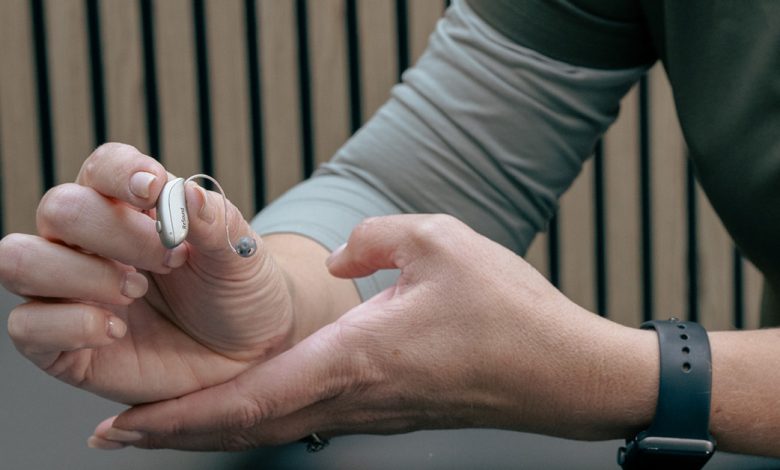
Discreet design remains important, and technological advancements have allowed manufacturers to create smaller, more comfortable devices without sacrificing performance. Improved miniaturisation means that many of the best hearing aid models are less visible while still delivering high-quality sound processing. This balance between performance and aesthetics continues to be a key consideration for many users.
Despite the wide range of new features, not all innovations are necessary for every user. The value of advanced technology depends largely on individual needs and lifestyle. For someone who spends most of their time in quiet environments, basic features may be sufficient. For those who regularly navigate complex sound environments or rely heavily on connectivity, more advanced options can provide a noticeable improvement in daily life.
Cost is also an important factor when evaluating what is worth it. Premium devices often include the latest features, but they may not always deliver proportional benefits for every user. Understanding which features will actually be used on a regular basis can help avoid unnecessary expense while still achieving a high level of performance.
Looking at the current landscape, the best hearing aid technology in 2026 is defined by its ability to adapt, connect, and personalise. Rather than simply amplifying sound, modern devices aim to create a more natural and intuitive listening experience. By focusing on the features that align with individual needs, it becomes easier to determine which advancements are truly valuable and which may be less essential.